
RaleighBrain
New member
StopWatt Reviews 2026
Rising electricity bills can make homeowners look for simple ways to reduce energy consumption. One product that has attracted attention online is StopWatt, a compact plug-in device marketed as an electricity-saving solution.But before ordering any energy-saving gadget, it is important to understand what it claims to do, what it can realistically achieve, and whether the advertised benefits match the technology behind the product.
This detailed StopWatt review takes a closer look at how the device is presented, its potential advantages and limitations, installation, pricing considerations, and the questions buyers should ask before making a purchase.
Ready to learn more about StopWatt? Check the official product details today.
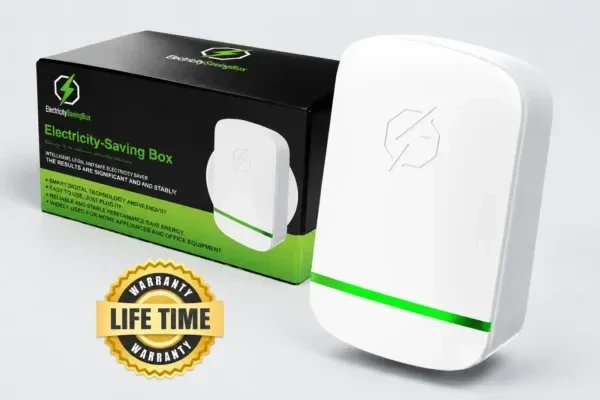
What Is StopWatt?
StopWatt is marketed as a small electrical device designed to be plugged into a standard household outlet. Promotional descriptions commonly position it as a way to improve electrical efficiency and potentially reduce wasted electricity.The appeal is straightforward: instead of making major changes to appliances or household wiring, consumers are encouraged to plug the device into an outlet and let it operate in the background.
This makes StopWatt particularly attractive to people searching for an inexpensive and convenient approach to managing household electricity costs.
However, the important question is whether a small plug-in device can actually reduce the amount of electricity a typical household consumes.
How Is StopWatt Supposed to Work?
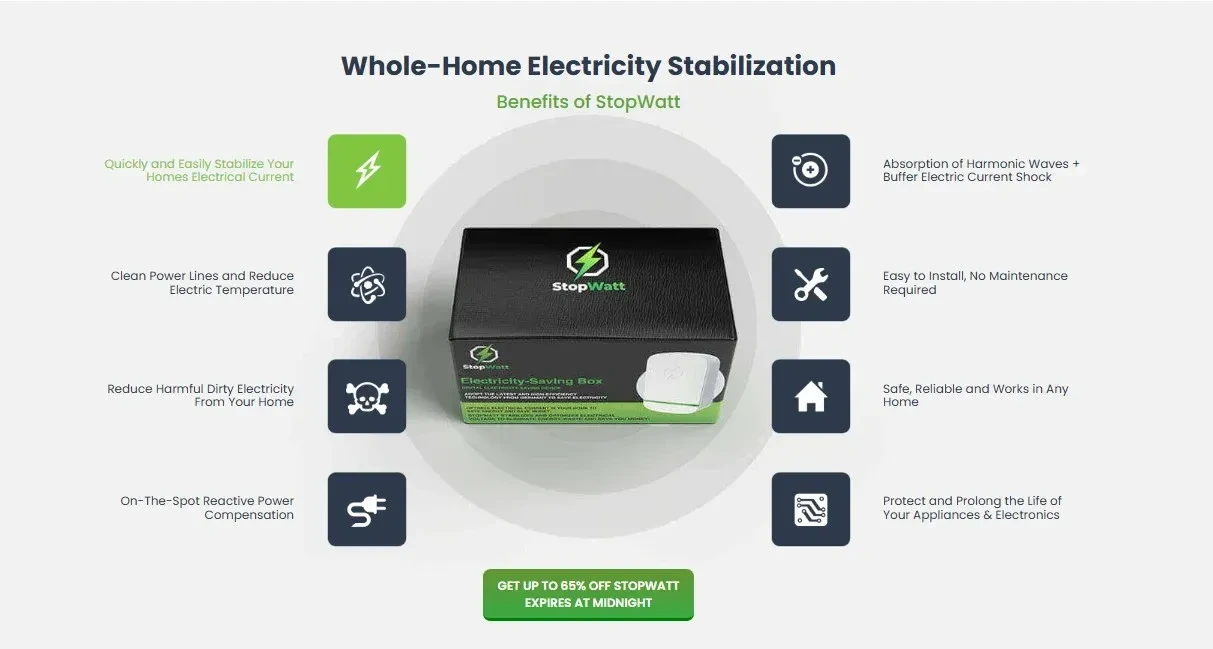
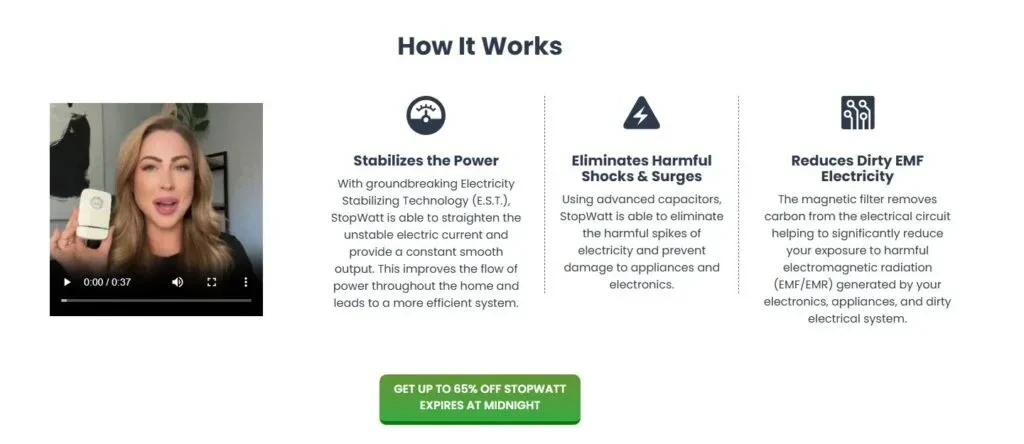
StopWatt is generally promoted around the concept of improving power efficiency. Marketing material may refer to electrical fluctuations, power quality, or wasted energy as reasons households could benefit from such a device.In electrical systems, power factor correction is a legitimate engineering concept. Certain industrial and commercial electrical loads can create reactive power, and equipment designed for power-factor correction can improve the efficiency of those systems.
However, residential electricity billing is different.
For many household customers, electricity consumption is primarily measured in kilowatt-hours (kWh). A device cannot automatically eliminate ordinary energy consumption simply because it is plugged into a wall outlet.
Therefore, consumers should distinguish between:
- Improving power quality
- Correcting power factor
- Reducing actual household energy consumption
- Reducing the electricity shown on a residential utility bill
Want to explore a simpler approach to energy efficiency? Take a closer look at StopWatt.
StopWatt Features
The product's appeal comes largely from its simplicity. Depending on the version and seller, StopWatt is promoted with features such as:Plug-and-Use Design
The device is designed to be connected directly to a household electrical outlet. This eliminates the need for complicated installation.
Compact Construction
Its small form factor means it can generally be placed near an electrical outlet without taking up significant space.
Easy Setup
Unlike major energy-efficiency upgrades, a plug-in product does not require an electrician or household renovation simply to install it.
Everyday Operation
The product is marketed as something that can remain connected while the household continues using its normal appliances.
Potential Energy-Efficiency Benefits
Marketing claims focus on improving electrical efficiency and reducing unnecessary losses. Buyers should nevertheless verify exactly what measurable savings are supported by independent evidence.
Can StopWatt Really Reduce Your Electricity Bill?
This is the most important question for potential buyers.A household electricity bill is primarily influenced by how much electrical energy appliances consume and the rate charged by the utility company.
For example, an air conditioner, water heater, refrigerator, electric oven, washing machine, and other high-powered appliances can account for substantial electricity usage.
Simply plugging in a small device does not mean those appliances suddenly require dramatically less energy.
For a residential consumer, the strongest ways to reduce electricity consumption usually involve reducing appliance usage, improving appliance efficiency, controlling heating and cooling, and eliminating unnecessary standby consumption.
That does not necessarily mean StopWatt has no purpose. It means consumers should be careful about expecting dramatic bill reductions from a small plug-in gadget.
See what StopWatt offers and decide if it fits your home before ordering.
StopWatt Reviews: What Should Buyers Look For?
Online reviews can be useful, but they should not all be treated equally.A review that simply says "works great" provides very little technical information.
A more useful review explains:
- Previous monthly electricity consumption
- Electricity rate
- Appliance usage
- How long the product was tested
- Electricity consumption after installation
- Whether other energy-saving changes were made
- Whether the difference was consistent over multiple billing cycles
This is why controlled comparisons are much more valuable than anecdotal testimonials.