
musicformandela
Member
Digital marketing teams are always looking for better tools to boost their lead generation. Landingi and Google Tag Manager are key for businesses aiming to improve their marketing in 2025.
The world of data has changed a lot. Marketers need advanced tracking and analytics. We'll show how these two platforms give deep insights into customer behavior and how likely they are to convert.
Today's tracking tools let businesses get detailed info on website visitors and marketing efforts. Landingi's page builder and Google Tag Manager's tracking features make a strong combo for marketers.
Modern companies need smart tools that collect, analyze, and use data well. This duo is at the forefront of marketing tech, offering new ways to understand and connect with potential customers.
Our guide will explore how Landingi and Google Tag Manager can change your digital marketing. We'll share tips and methods for using these tools effectively.
Landingi is a top-notch landing page builder that helps marketers shine. Creating high-converting landing pages is now easier than ever. Its drag-and-drop interface lets users make professional pages fast, grabbing attention and boosting sales.
Google Tag Manager is a smart tag management system that makes tracking easier. It lets marketers handle website tags without coding. This way, businesses can track user actions, see how their site is doing, and improve their marketing campaigns.
When Landingi and Google Tag Manager work together, they create a strong digital marketing setup. Marketers can make engaging pages and track user behavior with great detail.
Both tools bring something special to the table. Landingi offers design freedom, while Google Tag Manager provides deep tracking features. Together, they offer a complete solution for businesses wanting to boost their online marketing.

To start, get your Google Tag Manager container ID. This step links your Landingi pages to advanced tracking. Just paste the container code into Landingi's tracking settings.
Tracking conversions gets simpler with this setup. You can make custom event tags for actions like button clicks or form submissions. Google Tag Manager makes it easy to set up these tags without needing to code.
This integration offers detailed data. Marketers can see how users move through different touchpoints. Every conversion event adds to your marketing strategy.
Pro tip: Use Google Tag Manager's preview mode to test your setup. This ensures your data is correct and helps spot any tracking problems early.
The platform has a huge templates library for all your marketing needs. Whether you're launching a product or promoting an event, Landingi has designs ready for you. You can easily make them fit your brand.
Landingi also offers A/B testing. This feature lets you test different versions of your pages. You can try out different headlines, images, and buttons. This way, you can see what works best and improve your pages.
The form builder in Landingi makes it easy to get leads. You can create custom forms that look good on your pages. These forms work well with popular email and CRM tools.
Other great features include pages that work on all devices, support for custom domains, and connections with top marketing tools. These ensure your pages look great and work well everywhere.
The heart of Google Tag Manager is its easy-to-use interface. You can add, update, and remove tags on your website with just a few clicks. Custom variables are key here, letting you gather detailed data on how users interact with your site.
It also comes with built-in debugging tools. These tools help you check and fix tag issues before they go live. This way, you can make sure your tracking is accurate and reliable.
Google Tag Manager also has advanced features like version control and user permissions. This lets you track changes, go back to old versions, and control who can edit tags. It supports custom HTML tags, giving tech-savvy users the power to create complex tracking solutions.
It's perfect for any size business, from small to large. It works well with big analytics and marketing platforms like Google Analytics and Facebook Pixel. This makes it a key tool for tracking your website fully.
This team makes tracking easier. Marketers can now set up and change tracking codes without hassle. No more complicated manual steps - it's all smooth and efficient.
It also makes data-driven optimization easier. With precise tracking, businesses get to know their users better. Landingi and Google Tag Manager work together to analyze user paths and engagement.
Marketers get real-time tracking, custom conversion tracking, and easy tag management. They can tweak their tracking plans fast, without needing to know a lot of tech stuff. This makes complex data analysis easier for teams of all sizes.
This leads to smarter landing page management. With better tracking, businesses can make choices that boost their conversion rates and marketing success.
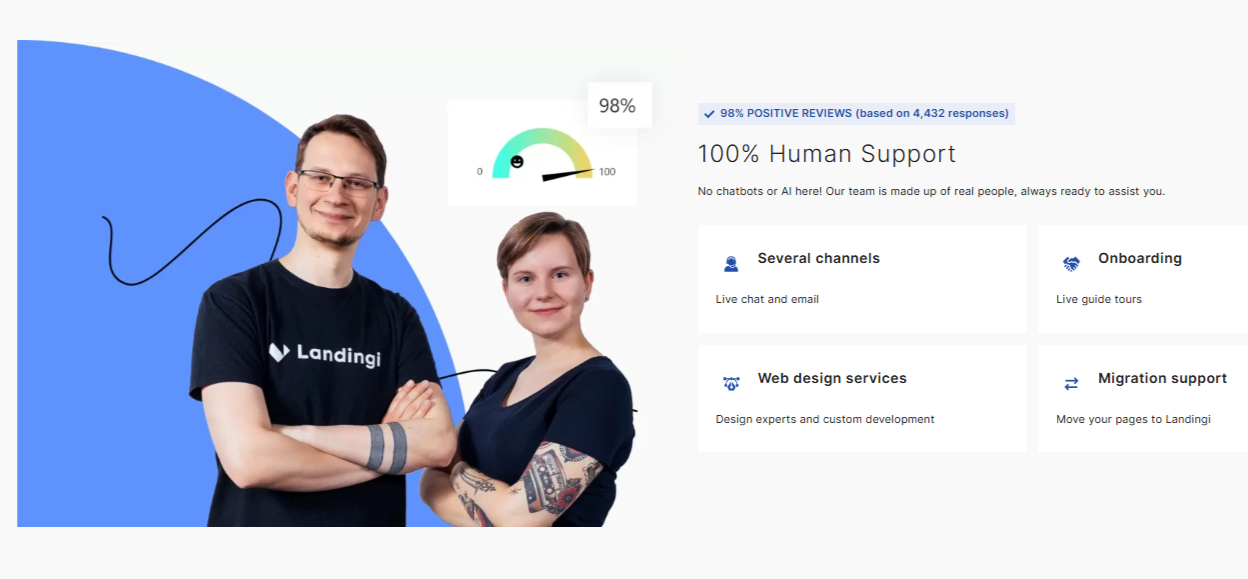
Product launches get easier with Landingi's dedicated pages. These pages track how users interact, helping marketers see what works best. *Event marketing* also gets a boost from these tools, letting marketers see how well their events are doing.
A/B testing is a big deal when using these platforms. Marketers can try out different page parts to see what works best. This helps them make their marketing better and get better results.
Companies use these tools to make smart marketing campaigns. For example, Apollo.io shows how well these tools work together. It has a 4.8 out of 5-star rating on G2, showing its power in sales and lead generation.
*Targeted tracking* helps companies understand what users do. This lets them make marketing that's just right for each person. Landingi and Google Tag Manager together help marketers make their digital marketing smarter and more effective.
These tools help everyone, from new startups to big companies. They make it easier to track, analyze, and improve marketing efforts. They work well across many channels and campaigns.
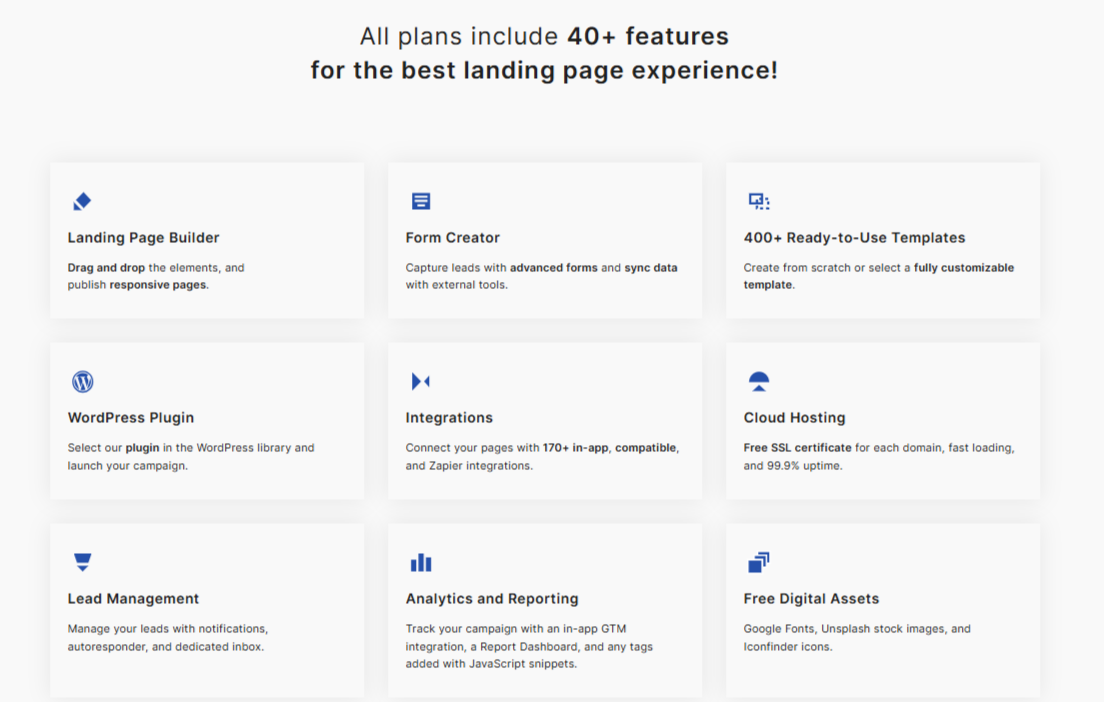
Good design is key for online success. *Visual hierarchy* is important for catching users' eyes. Landingi helps you make clean layouts with clear headlines and big call-to-action buttons. These elements make a smooth user experience that boosts conversions.
Mobile-friendly design is a must today. Landingi makes sure your landing pages look great on all devices. With responsive templates, your pages will always look professional, no matter the screen size. This helps users stay engaged with your content.
Landingi's A/B testing lets you keep improving your pages. You can try out different designs and see what works best. The platform gives you real-time data to guide your design choices.
Here are some tips for great landing pages:
- Write clear, catchy headlines
- Use high-quality, relevant images
- Make call-to-action buttons simple and direct
- Add social proof
- Keep your design clean and simple
For e-commerce, Google Tag Manager is a game-changer. Tracking purchase funnel stages is easy. You can see how customers behave at every step, from product views to final purchases.
This platform supports many tracking methods. You can track everything from LinkedIn ads to Google Ads. Each method can be set up to capture detailed user data.
It also helps you segment your data. You can track interactions from Slack or partner networks. Tools like Segment and Amplitude give product teams deep insights for growth.
Start with 3-4 key tracking motions. Focus on important paths first, then add more. This way, you get useful insights without getting lost in data.
Marketers love Google Tag Manager for its flexibility. It connects different digital platforms, turning data into useful actions for your Landingi pages.
The conversion funnel analysis is a big deal for digital marketers. It shows where users drop off and why. This helps find and fix problems in the user journey.
Advanced analytics tools make complex data easy to understand. With Landingi and Google Tag Manager together, you can track important metrics. These metrics show how well your landing pages are doing.
Professional marketers use this data to improve their strategies. *Real-time tracking* lets them make quick changes. This keeps your landing pages competitive and interesting.
Tools like ZoomInfo add to these efforts. They process over a trillion B2B intent signals monthly. This gives marketers a better understanding of potential customers.
Smart marketers always look to improve. By focusing on conversion funnel analysis, you turn data into useful marketing insights. These insights help grow your business.
Many forget about mobile optimization. Since over 50% of web traffic is from mobile devices, ignoring mobile responsiveness hurts your landing page's success. Your tags need to track mobile interactions well.
Another big mistake is not doing A/B testing. Skipping this can cost your marketing strategy. AI tools now help a lot with testing, automating up to 80% of the work.
Experts say to avoid complex tag structures that slow down pages. Keep your Google Tag Manager simple. Use only the tags you really need and make sure they're fast and light.
Tracking needs constant checking and tweaking. Always check your tags, make sure they're working right, and keep up with new digital marketing tech. This keeps your performance at its best.
Marketers now focus on privacy more than ever. With stricter data rules, tools like Landingi and Google Tag Manager are finding new ways to keep data safe. They aim to give detailed insights without invading privacy.
AI is going to change how landing pages work. Soon, pages will adjust on their own to fit what users want. This means better experiences for everyone.
Expect to see more personal touches in landing pages. *Serverside tagging* will help make these pages more accurate and secure. This way, businesses can learn more about users without risking their privacy.
The future looks bright for marketing tools. AI, privacy, and smart data handling will all come together. This will help businesses make digital experiences that really connect with users.
Today, using data to drive marketing is a must. These tools help marketers track and tweak their online campaigns with great detail. They let teams see how visitors act, improve their targeting, and boost sales across different platforms.
The future of digital marketing is about smart, flexible tech that offers clear insights. Landingi and Google Tag Manager make tracking easier and help businesses make smart choices with current data. Marketers who use these tools will have a big edge in reaching and engaging their audience.
As digital spaces keep changing, investing in top marketing tech like Landingi and Google Tag Manager is key. Being able to make engaging landing pages and track user actions with precision is now the mark of digital marketing excellence.
.
.
.
.
.
.
End…
The world of data has changed a lot. Marketers need advanced tracking and analytics. We'll show how these two platforms give deep insights into customer behavior and how likely they are to convert.
Today's tracking tools let businesses get detailed info on website visitors and marketing efforts. Landingi's page builder and Google Tag Manager's tracking features make a strong combo for marketers.
Modern companies need smart tools that collect, analyze, and use data well. This duo is at the forefront of marketing tech, offering new ways to understand and connect with potential customers.
Our guide will explore how Landingi and Google Tag Manager can change your digital marketing. We'll share tips and methods for using these tools effectively.
Understanding Landingi and Google Tag Manager
Digital marketing experts are always on the lookout for tools to make their work easier. Landingi and Google Tag Manager are two key tools that have changed how businesses market online.Landingi is a top-notch landing page builder that helps marketers shine. Creating high-converting landing pages is now easier than ever. Its drag-and-drop interface lets users make professional pages fast, grabbing attention and boosting sales.
Google Tag Manager is a smart tag management system that makes tracking easier. It lets marketers handle website tags without coding. This way, businesses can track user actions, see how their site is doing, and improve their marketing campaigns.
When Landingi and Google Tag Manager work together, they create a strong digital marketing setup. Marketers can make engaging pages and track user behavior with great detail.
Both tools bring something special to the table. Landingi offers design freedom, while Google Tag Manager provides deep tracking features. Together, they offer a complete solution for businesses wanting to boost their online marketing.
 Start Your Landingi Free Trial Today and Build Landing Pages Without Coding!
Setting Up Landingi with Google Tag Manager
Integrating Landingi with Google Tag Manager makes tracking easier. It gives marketers deep insights into how landing pages perform. This connection lets you track user actions in detail.To start, get your Google Tag Manager container ID. This step links your Landingi pages to advanced tracking. Just paste the container code into Landingi's tracking settings.
Tracking conversions gets simpler with this setup. You can make custom event tags for actions like button clicks or form submissions. Google Tag Manager makes it easy to set up these tags without needing to code.
This integration offers detailed data. Marketers can see how users move through different touchpoints. Every conversion event adds to your marketing strategy.
Pro tip: Use Google Tag Manager's preview mode to test your setup. This ensures your data is correct and helps spot any tracking problems early.
Key Features of Landingi
Landingi has a drag-and-drop editor that makes creating landing pages easy. You don't need to know how to code. This tool lets you make stunning pages in minutes.The platform has a huge templates library for all your marketing needs. Whether you're launching a product or promoting an event, Landingi has designs ready for you. You can easily make them fit your brand.
Landingi also offers A/B testing. This feature lets you test different versions of your pages. You can try out different headlines, images, and buttons. This way, you can see what works best and improve your pages.
The form builder in Landingi makes it easy to get leads. You can create custom forms that look good on your pages. These forms work well with popular email and CRM tools.
Other great features include pages that work on all devices, support for custom domains, and connections with top marketing tools. These ensure your pages look great and work well everywhere.
Key Features of Google Tag Manager
Google Tag Manager changes the game in tag management. It gives digital marketers a strong, easy-to-use tool for tracking and managing website analytics. This tool makes it simple to add and manage marketing tags, even if you don't know how to code.The heart of Google Tag Manager is its easy-to-use interface. You can add, update, and remove tags on your website with just a few clicks. Custom variables are key here, letting you gather detailed data on how users interact with your site.
It also comes with built-in debugging tools. These tools help you check and fix tag issues before they go live. This way, you can make sure your tracking is accurate and reliable.
Google Tag Manager also has advanced features like version control and user permissions. This lets you track changes, go back to old versions, and control who can edit tags. It supports custom HTML tags, giving tech-savvy users the power to create complex tracking solutions.
It's perfect for any size business, from small to large. It works well with big analytics and marketing platforms like Google Analytics and Facebook Pixel. This makes it a key tool for tracking your website fully.
Advantages of Using Landingi with Google Tag Manager
Using Landingi with Google Tag Manager brings big benefits for digital marketers. It helps them get improved tracking accuracy. This combo changes how businesses track user actions on landing pages.This team makes tracking easier. Marketers can now set up and change tracking codes without hassle. No more complicated manual steps - it's all smooth and efficient.
It also makes data-driven optimization easier. With precise tracking, businesses get to know their users better. Landingi and Google Tag Manager work together to analyze user paths and engagement.
Marketers get real-time tracking, custom conversion tracking, and easy tag management. They can tweak their tracking plans fast, without needing to know a lot of tech stuff. This makes complex data analysis easier for teams of all sizes.
This leads to smarter landing page management. With better tracking, businesses can make choices that boost their conversion rates and marketing success.
Use Cases for Landingi and Google Tag Manager
Digital marketers find great ways to use Landingi and Google Tag Manager together. They make lead generation campaigns that grab people's attention and get results. These tools are key for success in marketing.Product launches get easier with Landingi's dedicated pages. These pages track how users interact, helping marketers see what works best. *Event marketing* also gets a boost from these tools, letting marketers see how well their events are doing.
A/B testing is a big deal when using these platforms. Marketers can try out different page parts to see what works best. This helps them make their marketing better and get better results.
Companies use these tools to make smart marketing campaigns. For example, Apollo.io shows how well these tools work together. It has a 4.8 out of 5-star rating on G2, showing its power in sales and lead generation.
*Targeted tracking* helps companies understand what users do. This lets them make marketing that's just right for each person. Landingi and Google Tag Manager together help marketers make their digital marketing smarter and more effective.
These tools help everyone, from new startups to big companies. They make it easier to track, analyze, and improve marketing efforts. They work well across many channels and campaigns.
 Landingi: Data-Driven Landing Pages Made Easy – Claim Your Free Trial!
Creating Effective Landing Pages with Landingi
Creating high-converting landing pages needs a smart strategy. Landingi gives marketers tools to make engaging digital experiences. It helps users make landing pages that really talk to their audience.Good design is key for online success. *Visual hierarchy* is important for catching users' eyes. Landingi helps you make clean layouts with clear headlines and big call-to-action buttons. These elements make a smooth user experience that boosts conversions.
Mobile-friendly design is a must today. Landingi makes sure your landing pages look great on all devices. With responsive templates, your pages will always look professional, no matter the screen size. This helps users stay engaged with your content.
Landingi's A/B testing lets you keep improving your pages. You can try out different designs and see what works best. The platform gives you real-time data to guide your design choices.
Here are some tips for great landing pages:
- Write clear, catchy headlines
- Use high-quality, relevant images
- Make call-to-action buttons simple and direct
- Add social proof
- Keep your design clean and simple
Utilizing Google Tag Manager for Enhanced Tracking
Google Tag Manager changes how we track websites. It lets you track important user actions without coding. This tool is great for diving into what matters most for your business.For e-commerce, Google Tag Manager is a game-changer. Tracking purchase funnel stages is easy. You can see how customers behave at every step, from product views to final purchases.
This platform supports many tracking methods. You can track everything from LinkedIn ads to Google Ads. Each method can be set up to capture detailed user data.
It also helps you segment your data. You can track interactions from Slack or partner networks. Tools like Segment and Amplitude give product teams deep insights for growth.
Start with 3-4 key tracking motions. Focus on important paths first, then add more. This way, you get useful insights without getting lost in data.
Marketers love Google Tag Manager for its flexibility. It connects different digital platforms, turning data into useful actions for your Landingi pages.
Analyzing Data from Landingi and Google Tag Manager
Analytics integration changes how marketers see user interactions. By mixing Landingi's landing pages with Google Tag Manager's tracking, you get deep insights. These insights help make strategic decisions.The conversion funnel analysis is a big deal for digital marketers. It shows where users drop off and why. This helps find and fix problems in the user journey.
Advanced analytics tools make complex data easy to understand. With Landingi and Google Tag Manager together, you can track important metrics. These metrics show how well your landing pages are doing.
Professional marketers use this data to improve their strategies. *Real-time tracking* lets them make quick changes. This keeps your landing pages competitive and interesting.
Tools like ZoomInfo add to these efforts. They process over a trillion B2B intent signals monthly. This gives marketers a better understanding of potential customers.
Smart marketers always look to improve. By focusing on conversion funnel analysis, you turn data into useful marketing insights. These insights help grow your business.
 Transform Ideas into High-Converting Pages with Landingi – Try Free Now!
Common Mistakes to Avoid When Using Both Tools
Digital marketers often make big mistakes when using Landingi and Google Tag Manager. Improper tag implementation can cause tracking errors. This makes your data collection efforts almost useless.Many forget about mobile optimization. Since over 50% of web traffic is from mobile devices, ignoring mobile responsiveness hurts your landing page's success. Your tags need to track mobile interactions well.
Another big mistake is not doing A/B testing. Skipping this can cost your marketing strategy. AI tools now help a lot with testing, automating up to 80% of the work.
Experts say to avoid complex tag structures that slow down pages. Keep your Google Tag Manager simple. Use only the tags you really need and make sure they're fast and light.
Tracking needs constant checking and tweaking. Always check your tags, make sure they're working right, and keep up with new digital marketing tech. This keeps your performance at its best.
Future Trends for Landingi and Google Tag Manager
Digital marketing tools are changing fast, with AI leading the way. *Serverside tagging* is making data tracking better and safer. This is a big deal for businesses.Marketers now focus on privacy more than ever. With stricter data rules, tools like Landingi and Google Tag Manager are finding new ways to keep data safe. They aim to give detailed insights without invading privacy.
AI is going to change how landing pages work. Soon, pages will adjust on their own to fit what users want. This means better experiences for everyone.
Expect to see more personal touches in landing pages. *Serverside tagging* will help make these pages more accurate and secure. This way, businesses can learn more about users without risking their privacy.
The future looks bright for marketing tools. AI, privacy, and smart data handling will all come together. This will help businesses make digital experiences that really connect with users.
Final Thoughts on Landingi and Google Tag Manager
Digital marketing experts know how key a strong marketing tech stack is for success. Landingi and Google Tag Manager are a great team for boosting conversions. They help businesses make top-notch landing pages and understand how users behave.Today, using data to drive marketing is a must. These tools help marketers track and tweak their online campaigns with great detail. They let teams see how visitors act, improve their targeting, and boost sales across different platforms.
The future of digital marketing is about smart, flexible tech that offers clear insights. Landingi and Google Tag Manager make tracking easier and help businesses make smart choices with current data. Marketers who use these tools will have a big edge in reaching and engaging their audience.
As digital spaces keep changing, investing in top marketing tech like Landingi and Google Tag Manager is key. Being able to make engaging landing pages and track user actions with precision is now the mark of digital marketing excellence.
.
.
.
.
.
.
.
End…