
musicformandela
Member
Sales intelligence platforms have changed the game for B2B lead generation. Apollo Io and Lusha are leading the way in 2025. They give businesses a new way to find and connect with potential clients. They offer access to huge contact databases.
When looking at sales intelligence platforms, people want strong solutions. They want accurate data and easy integration. Apollo Io and Lusha are top choices for B2B lead generation. They each have their own strengths in data accuracy and finding contacts.
We'll dive deep into these platforms. We'll look at their performance, pricing, data coverage, and how well they work in real life. By checking key metrics, we'll help you choose the best tool for your sales and marketing goals.
The digital sales world needs precision. Companies need tools that give contact info and ensure data quality and compliance. Apollo Io and Lusha offer new ways to tackle these big business challenges.
Finding the right sales intelligence tool is a big task. This detailed comparison will give you the info you need. It will help you decide which platform can boost your sales prospecting.
Contact data providers like Apollo and Lusha give sales teams a big advantage. With over 220 million contacts worldwide, they offer more than just names and numbers. They give detailed data that helps find the right customers.
Today's sales intelligence platforms do more than just give contact info. They have advanced filters for sorting data. For example, Apollo offers over 200 ways to filter data. This makes it easier to reach the right people and get better results.
What makes these platforms so useful? They have:
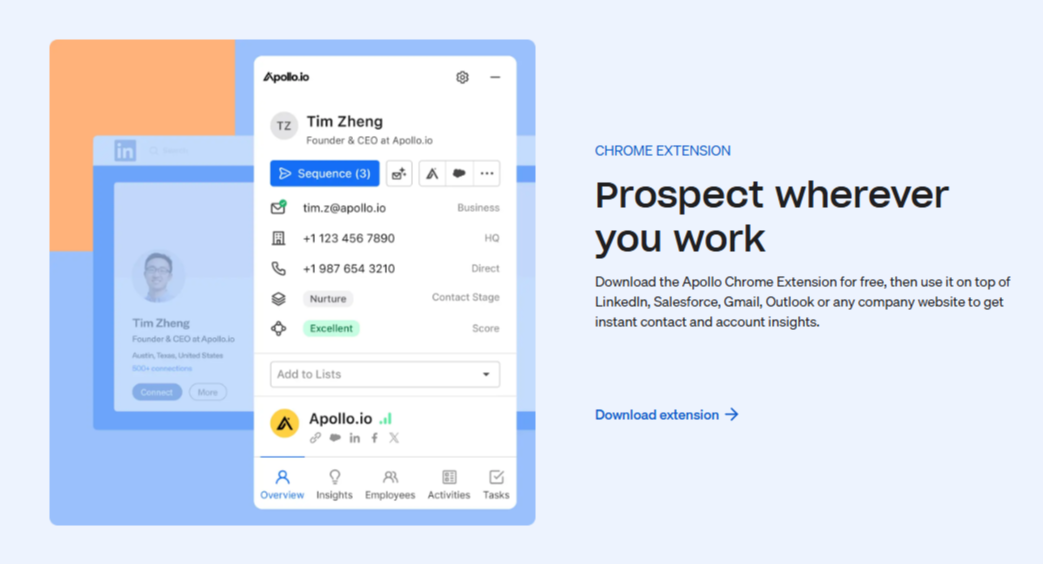
The platform excels in sales engagement automation. Users can set up custom outreach sequences and automate LinkedIn tasks. It also uses AI for smarter conversations. This helps teams connect better without getting bogged down in data work.
Another key feature is CRM data sync. Apollo Io works well with many CRM systems. This keeps your contact info current and correct. It saves time and cuts down on errors in tracking contacts.
The platform also offers detailed reporting and analytics. Sales teams can see how they're doing and make better choices. Apollo Io is serious about keeping data safe, with GDPR, SOC 2, and ISO 27001 certifications.
With a G2 rating of 4.8 out of 5 stars from 6,708 reviews, Apollo Io is trusted by many. It has a free plan for basic lead generation. Paid plans offer more features for growing teams.
Lusha excels in gathering comprehensive contact information. It has a Chrome extension that makes finding LinkedIn contacts easy. This tool helps users get verified contact details quickly, making lead generation faster.
Data enrichment is a big part of what Lusha offers. It gives users email addresses, direct phone numbers, and background info. Small and medium-sized businesses love Lusha for its ability to create precise lists of up to 1,000 contacts.
Security is a big deal for Lusha. It has ISO 27701 certification and follows GDPR and CCPA rules. This means users can trust the platform to protect their data while using it.
Lusha works well with CRM and email marketing tools. It has a 4.3/5 rating on G2 and offers plans from free to $51 per user monthly. This makes it a great fit for businesses of all sizes.
The design of each platform is also important. Lusha stands out with its easy-to-use interface. It's simple and straightforward. Apollo Io, on the other hand, is more complex but offers advanced features for teams needing deep sales insights.
Integration is another key area where Apollo Io and Lusha shine. Apollo Io has lots of pre-built integrations through Zapier, working well with big CRM systems like Salesforce and HubSpot. Lusha also has strong integrations with email and CRM tools, making it easy to fit into your workflow.
Both platforms use AI and manual checks to keep data accurate. Lusha says it validates 81% of contacts, while Apollo focuses on real-time data and buying intent. The choice between them depends on what your team needs and how you work.
Certifications and compliance are also important. Apollo Io has SOC 2 and ISO 27001, showing it's serious about data security. Lusha has ISO 27701 and follows GDPR, offering top-notch data protection.
Lusha's pricing is a bit different. Their Pro plan is $39 per user monthly, and Premium is $59. Both platforms offer flexible pricing for growing businesses. They let companies choose plans that fit their needs.
The main difference is in data access and credits. Apollo Io has over 200 filterable data points. Lusha offers contact details for more than 100 million profiles. This means pricing is about the value of the data you get.
When looking at pricing, consider what each offers. Apollo Io's Professional plan gives unlimited email and 100 mobile credits a month. Lusha has competitive pricing and an 81% accuracy rate for contact info. Both offer free trials, so businesses can test before buying.
Remember, price isn't everything. The real value is in data accuracy, integration, and potential revenue. Apollo Io says their data can increase revenue up to 10 times. This makes their pricing more appealing for businesses looking to grow.
Apollo Io's Security Credentials: Apollo Io has top security certifications like SOC 2 and ISO 27001. These show they're serious about keeping data safe. They offer strong data controls to protect against security threats.
Lusha also focuses on keeping data safe with ISO 27701 certification. They promise not to sell customer data, which builds trust with users.
Important things to consider include:
API capabilities are key in today's sales intelligence platforms. Apollo Io shines with its wide range of integration options. It connects well with big names like Salesforce, HubSpot, and Gmail. This flexibility lets teams set up custom workflows that fit their business needs.
Lusha also has its strengths in integration. It supports major CRM systems with easy connections. Both Apollo Io and Lusha offer Chrome extensions. These extensions let users grab contact info from LinkedIn and company sites easily.
For teams wanting more control, both Apollo Io and Lusha offer API access. This lets organizations create special integrations and automate data capture. SMARTe's huge database of 229 million contacts adds more value to these integrations.
The real strength of these platforms is making sales work easier. They cut down on manual data entry and make CRM integration smooth. Apollo Io and Lusha help sales teams focus on what's important: building relationships and closing deals.
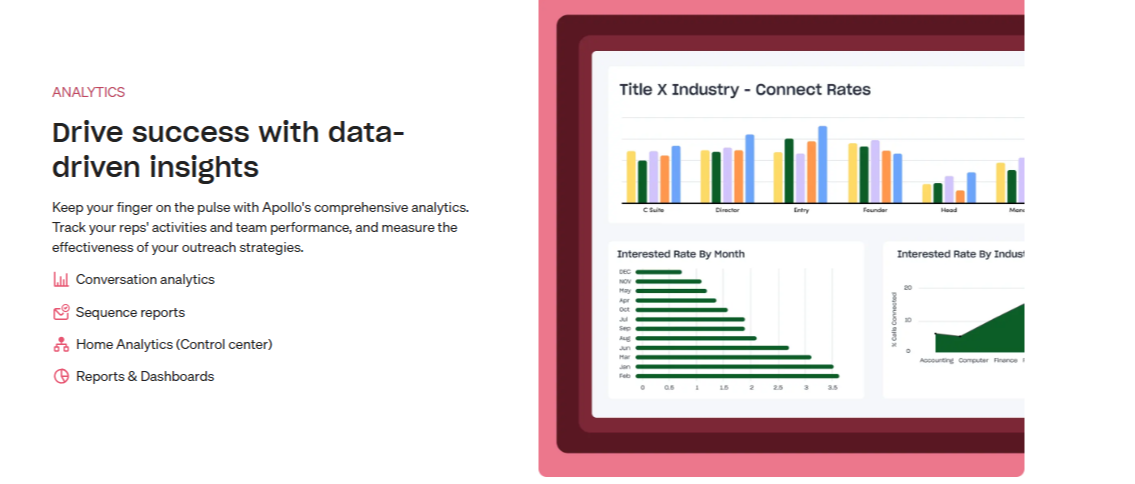
Apollo.io shines with a 4.8/5 rating on G2. It offers a wide range of features and a huge database of 275 million contacts. This helps sales teams do deep research. Users love its advanced analytics and how it integrates with workflows.
Lusha takes a different path, scoring 4.3/5. People like its simple design and easy-to-use interface. It may not have as many features, but it's easy to navigate. Still, both platforms face challenges in data accuracy, so users should double-check contact info.
Support experiences differ too. Apollo.io's support is thorough but can be slow, especially for complex issues. Lusha, on the other hand, aims for quick fixes, which many users appreciate.
Here are some key differences:
• Apollo.io has twice as many contacts as Lusha
• Its AI insights save users a lot of time in sales
• Both platforms integrate well with major CRM systems
So, what's the best choice? It depends on your sales intelligence needs. Think about data accuracy, features, and support when deciding between Apollo.io and Lusha.
Apollo.io is great for big companies with its huge database. It has 275 million contacts and 73 million companies. It also has a 91% email accuracy rate and dynamic lead scoring for complex sales.
Smaller businesses might prefer Lusha. It's more affordable at $36 per month. It also has a simpler approach.
When picking a tool, think about the database size, how well it integrates, and its features. Both Apollo.io and Lusha offer free trials. This is a chance to see how they work in real life.
Sales teams should choose tools that fit their workflow and data needs. The best tool helps your team grow and tackle market challenges. Take your time to explore and find the best fit for your business.
.
.
.
.
.
.
End…
When looking at sales intelligence platforms, people want strong solutions. They want accurate data and easy integration. Apollo Io and Lusha are top choices for B2B lead generation. They each have their own strengths in data accuracy and finding contacts.
We'll dive deep into these platforms. We'll look at their performance, pricing, data coverage, and how well they work in real life. By checking key metrics, we'll help you choose the best tool for your sales and marketing goals.
The digital sales world needs precision. Companies need tools that give contact info and ensure data quality and compliance. Apollo Io and Lusha offer new ways to tackle these big business challenges.
Finding the right sales intelligence tool is a big task. This detailed comparison will give you the info you need. It will help you decide which platform can boost your sales prospecting.
Understanding Sales Intelligence Platforms
Sales intelligence platforms have changed how businesses find new customers. They turn raw data into useful insights. This helps companies find and talk to potential customers better.Contact data providers like Apollo and Lusha give sales teams a big advantage. With over 220 million contacts worldwide, they offer more than just names and numbers. They give detailed data that helps find the right customers.
Today's sales intelligence platforms do more than just give contact info. They have advanced filters for sorting data. For example, Apollo offers over 200 ways to filter data. This makes it easier to reach the right people and get better results.
What makes these platforms so useful? They have:
- Big contact databases
- Advanced search and filtering options
- CRM and automation tool integrations
- Intent data tracking
- Email outreach capabilities
 Power Up Your Outreach with Apollo.io – Get Started Free Today!
Apollo Io Platform Overview
Launched in 2015, Apollo Io has become a top choice for sales teams. It has a huge database of 275 million contacts and 73 million companies. This makes it a great tool for lead generation and outreach.The platform excels in sales engagement automation. Users can set up custom outreach sequences and automate LinkedIn tasks. It also uses AI for smarter conversations. This helps teams connect better without getting bogged down in data work.
Another key feature is CRM data sync. Apollo Io works well with many CRM systems. This keeps your contact info current and correct. It saves time and cuts down on errors in tracking contacts.
The platform also offers detailed reporting and analytics. Sales teams can see how they're doing and make better choices. Apollo Io is serious about keeping data safe, with GDPR, SOC 2, and ISO 27001 certifications.
With a G2 rating of 4.8 out of 5 stars from 6,708 reviews, Apollo Io is trusted by many. It has a free plan for basic lead generation. Paid plans offer more features for growing teams.
Lusha Platform Deep Dive
The Lusha platform is a powerful tool for sales and marketing teams. It has over 100 million business profiles and 60 million professional contacts. This makes it a top choice for businesses looking to grow.Lusha excels in gathering comprehensive contact information. It has a Chrome extension that makes finding LinkedIn contacts easy. This tool helps users get verified contact details quickly, making lead generation faster.
Data enrichment is a big part of what Lusha offers. It gives users email addresses, direct phone numbers, and background info. Small and medium-sized businesses love Lusha for its ability to create precise lists of up to 1,000 contacts.
Security is a big deal for Lusha. It has ISO 27701 certification and follows GDPR and CCPA rules. This means users can trust the platform to protect their data while using it.
Lusha works well with CRM and email marketing tools. It has a 4.3/5 rating on G2 and offers plans from free to $51 per user monthly. This makes it a great fit for businesses of all sizes.
Apollo Io vs Lusha: Direct Comparison
Looking at Apollo Io and Lusha, we see big differences. Apollo Io has over 275 million contacts, way more than Lusha's 100 million. This means Apollo Io can offer more detailed contact info for sales and marketing teams.The design of each platform is also important. Lusha stands out with its easy-to-use interface. It's simple and straightforward. Apollo Io, on the other hand, is more complex but offers advanced features for teams needing deep sales insights.
Integration is another key area where Apollo Io and Lusha shine. Apollo Io has lots of pre-built integrations through Zapier, working well with big CRM systems like Salesforce and HubSpot. Lusha also has strong integrations with email and CRM tools, making it easy to fit into your workflow.
Both platforms use AI and manual checks to keep data accurate. Lusha says it validates 81% of contacts, while Apollo focuses on real-time data and buying intent. The choice between them depends on what your team needs and how you work.
Certifications and compliance are also important. Apollo Io has SOC 2 and ISO 27001, showing it's serious about data security. Lusha has ISO 27701 and follows GDPR, offering top-notch data protection.
Pricing Structure Analysis
Exploring Apollo Io and Lusha pricing is crucial for professionals. Apollo Io has various plans to fit different needs. Prices start at $49 a month for basic features and go up to $99 for advanced ones.Lusha's pricing is a bit different. Their Pro plan is $39 per user monthly, and Premium is $59. Both platforms offer flexible pricing for growing businesses. They let companies choose plans that fit their needs.
The main difference is in data access and credits. Apollo Io has over 200 filterable data points. Lusha offers contact details for more than 100 million profiles. This means pricing is about the value of the data you get.
When looking at pricing, consider what each offers. Apollo Io's Professional plan gives unlimited email and 100 mobile credits a month. Lusha has competitive pricing and an 81% accuracy rate for contact info. Both offer free trials, so businesses can test before buying.
Remember, price isn't everything. The real value is in data accuracy, integration, and potential revenue. Apollo Io says their data can increase revenue up to 10 times. This makes their pricing more appealing for businesses looking to grow.
 Boost Your Sales with Apollo.io – Start Your Free Trial and Win Big!
Data Security and Compliance
When looking at sales intelligence platforms like Apollo Io and Lusha, keeping data safe is key. Both platforms show they take GDPR compliance seriously. They make sure user data stays secure and protected.Apollo Io's Security Credentials: Apollo Io has top security certifications like SOC 2 and ISO 27001. These show they're serious about keeping data safe. They offer strong data controls to protect against security threats.
Lusha also focuses on keeping data safe with ISO 27701 certification. They promise not to sell customer data, which builds trust with users.
Important things to consider include:
- Comprehensive GDPR compliance frameworks
- Stringent data protection mechanisms
- Regular security audits and updates
- Transparent data handling practices
Integration Ecosystem and API Access
Sales professionals need easy CRM integration to make their work smoother. Apollo Io and Lusha offer strong solutions for integrating sales tools. These solutions can change how teams handle customer data.API capabilities are key in today's sales intelligence platforms. Apollo Io shines with its wide range of integration options. It connects well with big names like Salesforce, HubSpot, and Gmail. This flexibility lets teams set up custom workflows that fit their business needs.
Lusha also has its strengths in integration. It supports major CRM systems with easy connections. Both Apollo Io and Lusha offer Chrome extensions. These extensions let users grab contact info from LinkedIn and company sites easily.
For teams wanting more control, both Apollo Io and Lusha offer API access. This lets organizations create special integrations and automate data capture. SMARTe's huge database of 229 million contacts adds more value to these integrations.
The real strength of these platforms is making sales work easier. They cut down on manual data entry and make CRM integration smooth. Apollo Io and Lusha help sales teams focus on what's important: building relationships and closing deals.
Real Performance Metrics
Looking into user reviews, Apollo.io and Lusha show us more than just ratings. They highlight key strengths in data accuracy and customer support. These are vital for those in sales intelligence.Apollo.io shines with a 4.8/5 rating on G2. It offers a wide range of features and a huge database of 275 million contacts. This helps sales teams do deep research. Users love its advanced analytics and how it integrates with workflows.
Lusha takes a different path, scoring 4.3/5. People like its simple design and easy-to-use interface. It may not have as many features, but it's easy to navigate. Still, both platforms face challenges in data accuracy, so users should double-check contact info.
Support experiences differ too. Apollo.io's support is thorough but can be slow, especially for complex issues. Lusha, on the other hand, aims for quick fixes, which many users appreciate.
Here are some key differences:
• Apollo.io has twice as many contacts as Lusha
• Its AI insights save users a lot of time in sales
• Both platforms integrate well with major CRM systems
So, what's the best choice? It depends on your sales intelligence needs. Think about data accuracy, features, and support when deciding between Apollo.io and Lusha.
 Discover and Close Deals Faster – Try Apollo.io for Free Now!
Conclusion
Choosing the right sales intelligence tool is crucial. Apollo.io and Lusha are top choices for B2B prospecting. They meet different business needs. Your decision depends on your company's goals, budget, and sales strategy.Apollo.io is great for big companies with its huge database. It has 275 million contacts and 73 million companies. It also has a 91% email accuracy rate and dynamic lead scoring for complex sales.
Smaller businesses might prefer Lusha. It's more affordable at $36 per month. It also has a simpler approach.
When picking a tool, think about the database size, how well it integrates, and its features. Both Apollo.io and Lusha offer free trials. This is a chance to see how they work in real life.
Sales teams should choose tools that fit their workflow and data needs. The best tool helps your team grow and tackle market challenges. Take your time to explore and find the best fit for your business.
.
.
.
.
.
.
.
End…