
musicformandela
Member
Choosing the right sales pipeline software can change how your business works. In the world of CRM, knowing the differences between Pipeline Pro and Pipedrive is key. It helps you make smart choices for your business.
Today's businesses need strong lead management tools. These tools make sales processes smoother. This review looks at two top platforms to help manage customer relationships better.
We'll dive into important areas like features, prices, user experience, and automation. By comparing these, you can find the best CRM for your business in 2025 and later.
Both platforms offer unique benefits. They help businesses with their sales strategies. They have features like visual pipeline tracking and automated workflows. These tools can change how companies talk to customers and grow their sales.
Pipedrive has a great visual interface, while Pipeline Pro is known for its advanced integrations. These are big pluses for sales teams looking for the latest CRM tech.
Contact management is key for both. Pipeline Pro offers robust customization options, fitting specific sales workflows. Pipedrive is known for its visual pipeline, helping teams see progress clearly.
Sales automation varies between the two. Pipeline Pro has more flexible tools for complex workflows. Pipedrive makes deal tracking easy with its drag-and-drop interface.
G2's 2022 comparison put both in the Leaders quadrant. Pipedrive ranked a bit higher. This shows they both offer strong CRM solutions for different needs.
They differ in pipeline management. Pipeline Pro is great for deep customization. Pipedrive is known for its easy, visual sales tracking. Each has benefits based on your sales process needs.
Pipedrive shines with its simple, easy-to-use interface. It focuses on making CRM interactions straightforward. The visual dashboard lets sales teams track their progress easily. Drag-and-drop tools make managing pipelines simple.
Pipeline Pro, on the other hand, offers a more adaptable interface. It's for businesses with complex sales processes. While it might be harder to learn, it lets users customize a lot. They can tailor dashboards, workflows, and views to fit their needs.
Both platforms value a user-friendly experience. Pipedrive aims for simplicity, perfect for small teams and startups. Pipeline Pro is for those needing more customization and advanced features.
When choosing a CRM, consider how easy it is to navigate, how clear it is, and how customizable it is. Sales teams should pick the interface that fits their workflow and comfort level.

The platform's pricing is flexible. Starting at $21.90 per user monthly (billed annually), businesses can pick the right plan. The Essential Plan has basic features. Higher plans add advanced reporting, document management, and more.
Choosing a CRM that offers good value is important. Pipedrive stands out with clear pricing and feature differences. Their plans go from $21.90 to $119 per user monthly. Each plan adds more advanced tools to help with sales.
Key pricing highlights include:
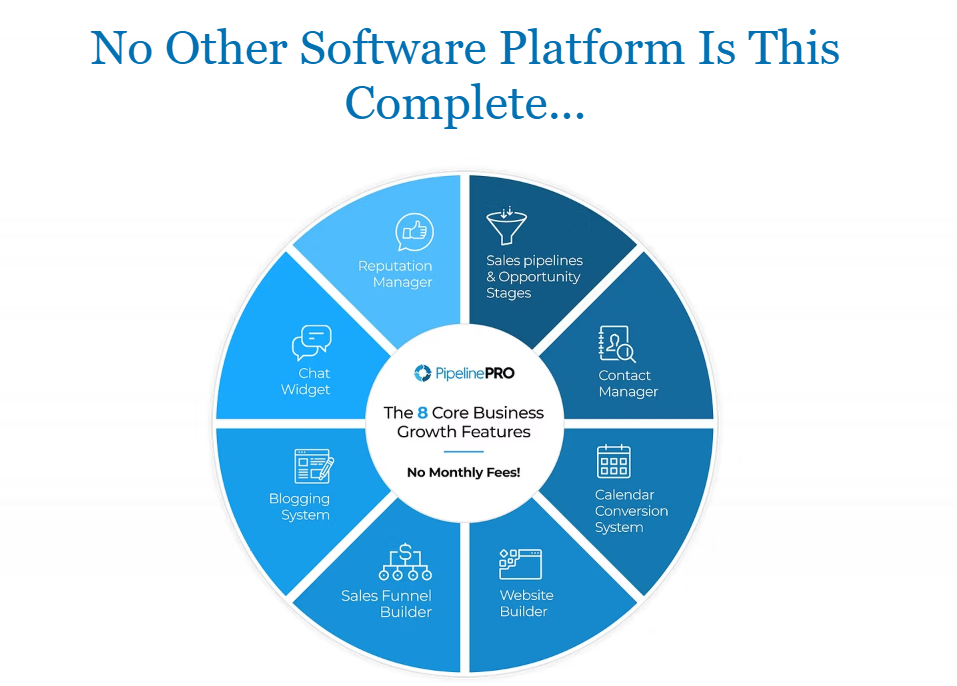
Pipedrive has basic email marketing integration. It lets users set up automated emails to nurture leads. It supports simple marketing workflows, helping teams manage communication. Businesses can send follow-up emails based on customer actions or pipeline stages.
Pipeline Pro offers more with its CRM marketing automation. It includes advanced features like multi-channel marketing. This covers email, social media, and text message marketing. It gives a full view of how to engage with customers.
The main difference is in integration depth. Pipedrive often needs third-party tools for advanced marketing. But Pipeline Pro has built-in solutions. This means less need for external integrations and a smoother workflow for marketing teams.
It's important for users to think about their marketing needs. Small businesses might be okay with Pipedrive's basic tools. But growing companies might need Pipeline Pro's more advanced tools. Knowing your marketing needs helps choose the right CRM.
Pipedrive has comprehensive customer support with many ways to get help. You can use live chat, email, or phone to fix problems fast. Their CRM onboarding includes video tutorials, a big knowledge base, and interactive guides. These tools help new users get the hang of the platform.
Pipeline Pro focuses on personalized training. They offer onboarding sessions that fit your business needs. Their support team works to understand your workflow, helping you get the most out of your CRM from the start.
Both platforms know good support is more than just fixing problems. They have community forums for users to share tips and learn from others. These places help users improve their skills and make their sales processes better.
Having lots of training resources can really help your team use the CRM well. Whether you're small or growing, a CRM with strong support can boost your team's productivity and success.
Pipeline Pro and Pipedrive are both great options. They can change how you sell and grow your business. Each has features that can make a big difference.
Our deep dive into CRM options showed us key differences. Pipeline Pro shines with its unlimited workflow automation and affordable price. It starts at just $25 per user per month. Pipedrive, on the other hand, has impressive visual pipeline management but might cost more and have fewer features in lower plans.
When picking a CRM, think about what your business needs most. Look at your budget, team size, customization needs, and integration capabilities. Both platforms offer great support and features, but your business's unique needs will guide your choice.
Getting the right CRM is an investment in your company's future. Use free trials, ask for demos, and see how each platform fits your goals. This careful evaluation will help you make the best choice for 2025.
.
.
.
.
.
.
End…
Today's businesses need strong lead management tools. These tools make sales processes smoother. This review looks at two top platforms to help manage customer relationships better.
We'll dive into important areas like features, prices, user experience, and automation. By comparing these, you can find the best CRM for your business in 2025 and later.
Both platforms offer unique benefits. They help businesses with their sales strategies. They have features like visual pipeline tracking and automated workflows. These tools can change how companies talk to customers and grow their sales.
Pipedrive has a great visual interface, while Pipeline Pro is known for its advanced integrations. These are big pluses for sales teams looking for the latest CRM tech.
Pipeline Pro vs Pipedrive: Core Features Comparison
Businesses need to understand how different CRM platforms compare. Pipeline Pro and Pipedrive are two top choices in sales automation. Each has its own strengths.Contact management is key for both. Pipeline Pro offers robust customization options, fitting specific sales workflows. Pipedrive is known for its visual pipeline, helping teams see progress clearly.
Sales automation varies between the two. Pipeline Pro has more flexible tools for complex workflows. Pipedrive makes deal tracking easy with its drag-and-drop interface.
G2's 2022 comparison put both in the Leaders quadrant. Pipedrive ranked a bit higher. This shows they both offer strong CRM solutions for different needs.
They differ in pipeline management. Pipeline Pro is great for deep customization. Pipedrive is known for its easy, visual sales tracking. Each has benefits based on your sales process needs.
User Interface and Experience Analysis
Exploring CRM user experience shows key points for businesses aiming for a smooth digital workflow. Pipedrive and Pipeline Pro have different ways to design their interfaces. They meet the needs of various users and organizations.Pipedrive shines with its simple, easy-to-use interface. It focuses on making CRM interactions straightforward. The visual dashboard lets sales teams track their progress easily. Drag-and-drop tools make managing pipelines simple.
Pipeline Pro, on the other hand, offers a more adaptable interface. It's for businesses with complex sales processes. While it might be harder to learn, it lets users customize a lot. They can tailor dashboards, workflows, and views to fit their needs.
Both platforms value a user-friendly experience. Pipedrive aims for simplicity, perfect for small teams and startups. Pipeline Pro is for those needing more customization and advanced features.
When choosing a CRM, consider how easy it is to navigate, how clear it is, and how customizable it is. Sales teams should pick the interface that fits their workflow and comfort level.
Pricing Structure and Value Proposition
When looking at CRM pricing, it's key to understand the costs. Pipedrive has a pricing model that fits different business sizes. It ranges from small teams to big companies.The platform's pricing is flexible. Starting at $21.90 per user monthly (billed annually), businesses can pick the right plan. The Essential Plan has basic features. Higher plans add advanced reporting, document management, and more.
Choosing a CRM that offers good value is important. Pipedrive stands out with clear pricing and feature differences. Their plans go from $21.90 to $119 per user monthly. Each plan adds more advanced tools to help with sales.
Key pricing highlights include:
- Essential Plan: $21.90/user/month
- Advanced Plan: $39.90/user/month
- Professional Plan: $49.90/user/month
- Enterprise Plan: $119/user/month
 Discover Pipeline Pro CRM – Your All-in-One Sales & Automation Solution!
Marketing Automation and Campaign Management
CRM marketing automation is key for businesses wanting to improve sales and marketing. When looking at Pipeline Pro and Pipedrive, we see big differences in how they handle campaign management.Pipedrive has basic email marketing integration. It lets users set up automated emails to nurture leads. It supports simple marketing workflows, helping teams manage communication. Businesses can send follow-up emails based on customer actions or pipeline stages.
Pipeline Pro offers more with its CRM marketing automation. It includes advanced features like multi-channel marketing. This covers email, social media, and text message marketing. It gives a full view of how to engage with customers.
The main difference is in integration depth. Pipedrive often needs third-party tools for advanced marketing. But Pipeline Pro has built-in solutions. This means less need for external integrations and a smoother workflow for marketing teams.
It's important for users to think about their marketing needs. Small businesses might be okay with Pipedrive's basic tools. But growing companies might need Pipeline Pro's more advanced tools. Knowing your marketing needs helps choose the right CRM.
 Level Up with Pipeline Pro CRM – All-in-One Sales & Marketing Made Easy!
Customer Support and Training Resources
Choosing the right CRM platform means looking at customer support and training. Pipedrive and Pipeline Pro know how key good onboarding and support are.Pipedrive has comprehensive customer support with many ways to get help. You can use live chat, email, or phone to fix problems fast. Their CRM onboarding includes video tutorials, a big knowledge base, and interactive guides. These tools help new users get the hang of the platform.
Pipeline Pro focuses on personalized training. They offer onboarding sessions that fit your business needs. Their support team works to understand your workflow, helping you get the most out of your CRM from the start.
Both platforms know good support is more than just fixing problems. They have community forums for users to share tips and learn from others. These places help users improve their skills and make their sales processes better.
Having lots of training resources can really help your team use the CRM well. Whether you're small or growing, a CRM with strong support can boost your team's productivity and success.
Conclusion
Choosing the right CRM is all about understanding your business's needs. The best CRM for 2025 is not a one-size-fits-all solution. It's a choice that fits your specific needs.Pipeline Pro and Pipedrive are both great options. They can change how you sell and grow your business. Each has features that can make a big difference.
Our deep dive into CRM options showed us key differences. Pipeline Pro shines with its unlimited workflow automation and affordable price. It starts at just $25 per user per month. Pipedrive, on the other hand, has impressive visual pipeline management but might cost more and have fewer features in lower plans.
When picking a CRM, think about what your business needs most. Look at your budget, team size, customization needs, and integration capabilities. Both platforms offer great support and features, but your business's unique needs will guide your choice.
Getting the right CRM is an investment in your company's future. Use free trials, ask for demos, and see how each platform fits your goals. This careful evaluation will help you make the best choice for 2025.
.
.
.
.
.
.
.
End…