
musicformandela
Member
Digital education has changed a lot in recent years. Online course platforms are now key for sharing knowledge. As the e-learning market grows fast, creators look for strong platforms for great learning experiences.
Circle and LearnWorlds are two top online course platforms for 2025. They each have special strengths for digital learning experts in many fields.
LearnWorlds started in 2014 and has over 50 templates for different industries. It helps coaches, trainers, and big companies with flexible digital learning options.
Circle stands out with its flexible community spaces and interactive learning tools. These platforms aim to change how people create, market, and sell their digital educational content.
This detailed comparison will look at key points like course making tools, prices, community tools, and tech integrations. It will help you choose the best online course platform for your needs.
Online course platforms in 2025 are more than just places to store information. They have become smart systems that support deep learning experiences. Creators want tools that mix content creation, community building, and marketing smoothly.
Today's platforms know learning is more than just reading. They focus on making learning interactive and personal. Tools like advanced analytics and AI help track student progress and suggest learning paths.
The future of e-learning is about flexible, adaptive platforms. Features now include social learning, gamification, and tools for real-time collaboration. These changes make online learning more engaging and dynamic.
Digital education has made quality learning available to everyone with the internet. Platforms like Circle and LearnWorlds lead this change. They offer strong solutions for different learning needs and teaching styles.

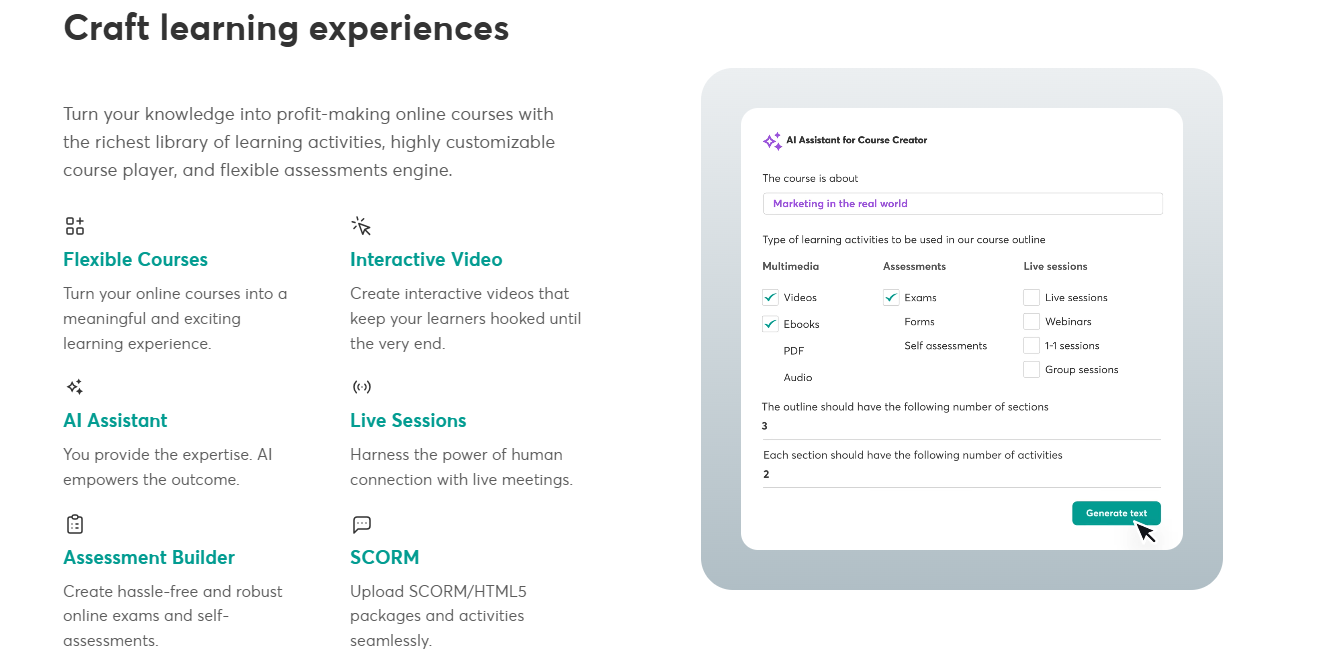
LearnWorlds is known for its advanced course creation ecosystem. It offers SCORM-compliant courses and a customizable course player. This gives teachers full control over their content.
Users can make interactive multimedia content. They also have robust quiz and assignment tools. This helps teachers create engaging lessons that grab students' attention.
Circle is unique because of its flexible community spaces and workflow automation. It has native live event features for interactive learning. The platform is easy to use, so creators can make immersive learning spaces without needing technical skills.
Both systems have their strong points. LearnWorlds is great for detailed educational analytics and marketing integrations. Circle, on the other hand, excels in community engagement tools. This lets creators make educational experiences that meet their audience's needs.
LearnWorlds' analytics tools help teachers see how students are doing. They can use this info to improve their courses. With plans starting at $24/month and a 30-day free trial, it's affordable for all creators.
Circle is known for its flexible community spaces. These spaces are designed for dynamic interactions. Students can connect, share, and work together easily. Leaderboards and badges add motivation, pushing students to keep participating.
LearnWorlds has strong community features for interactive learning. It offers Q&A sessions and discussion forums in real-time. While not as advanced as Circle, LearnWorlds still helps keep students engaged.
Circle's live events feature is a big plus. It allows for immediate, real-time interactions. This turns passive learning into active, collaborative learning. Students can ask questions, share ideas, and get feedback right away.
When picking online community features, creators should think about their goals. Both Circle and LearnWorlds are great for creating interactive learning spaces. These spaces go beyond just course content.
Content variety is key for good online learning. LearnWorlds lets you mix different content types, like videos, audio, interactive PDFs, and quizzes. This variety lets learners pick how they want to learn, making learning better for everyone.
Circle offers a different take on course making, focusing on learning in a community. It has simpler content tools but still supports important multimedia. Creators can use its easy interface to make courses that encourage teamwork and learning together.
LearnWorlds has more advanced features for course making, like interactive videos and customizable quizzes. These tools help teachers see how students are doing, tailor learning paths, and keep students interested in their courses.
In the end, both platforms have their own strengths in organizing content and supporting multimedia. Your choice will depend on what your online learning project needs, how interactive you want it, and the kind of learning experience you aim to give your students.
Value for money is key when choosing between these platforms. Circle is for businesses wanting strong community engagement. LearnWorlds is great for those needing detailed course development tools. Each platform has pricing tiers for different online education business sizes.
LearnWorlds offers special features like AI quiz creation and interactive videos. Their plans go from basic to advanced learning center packages. Circle focuses on community, offering pricing that emphasizes group interaction and learning together.
For entrepreneurs and educators, knowing the pricing details is important. Both Circle and LearnWorlds offer scalable solutions. Circle focuses on community, while LearnWorlds is all about course creation. Users should match their needs with the pricing to find the best deal.
The goal is to get the most educational value without spending too much. Whether you're a solo teacher or a growing business, these platforms have flexible plans. They're designed to meet your unique online learning goals.

LearnWorlds also offers advanced sales funnels. This makes it easier to plan your marketing. You can track how well your marketing works and make it better. Plus, you can use your own domain to make your course look professional.
Circle focuses on building a community around your course. It doesn't have built-in email marketing tools. But, it's great at creating spaces where people can connect and learn about your course.
Both platforms help with selling your course. LearnWorlds lets you bundle courses and offer upsells. This can help you earn more money by offering deals that attract more students.
So, whether you choose Circle or LearnWorlds, it depends on what you need for marketing and sales. Each platform has its own strengths to help you sell your online courses effectively.
Circle's design is clean and focused on community. It makes it easy for students to find their way around, whether they're looking at content or chatting with others. Plus, it works well on phones, so students can learn anywhere.
LearnWorlds, on the other hand, offers a lot of control over how courses look. It lets creators customize the look and feel of their courses. This makes complex topics seem easier to understand.
Reviews show both platforms are highly rated. Circle gets 4.8 out of 5, and LearnWorlds gets 4.7 out of 5. People love how easy they are to use and how they make learning fun.
When picking a platform, think about what you want to get out of it. Do you like learning with others, or do you prefer a more structured approach? Both Circle and LearnWorlds have what you need, no matter your preference.
Platform uptime is essential for any online learning site. Both Circle and LearnWorlds focus on keeping their systems stable. This ensures your courses are always available, 24/7.
Circle's customer support is unique. It uses a community model for quick help. This means users can get help fast, thanks to others in the community.
LearnWorlds has a wide range of support options. They have detailed tutorials, videos, and guides. This helps creators solve problems on their own, but also offers professional help when needed.
The main difference is how they handle technical issues. Circle relies on the community, while LearnWorlds has dedicated teams. This lets creators focus on making content, not fixing tech problems.
When picking a platform, think about more than just immediate support. Look at the platform's reliability and ability to grow. Your platform should offer smooth, uninterrupted learning that meets your standards.
Circle's platform is known for its strong workflow automation through Zapier connections. Creators can easily link their platform with marketing tools, payment processors, and analytics software. This makes it easy to build a connected online learning space without needing to know a lot of tech.
API access is important for users who want to customize their platform. Both Circle and LearnWorlds offer options for developers. But LearnWorlds has a wider range of pre-built connections. This helps course creators manage their digital work better.
The quality of third-party integrations greatly affects your platform's success. Circle works with big names like Google Analytics, Stripe, and email marketing tools. LearnWorlds goes further with direct CRM connections and advanced reporting tools. This gives creators more control over their online learning spaces.
Choosing the right platform means knowing how its integrations fit your needs. Think about your current tech, future plans, and how much customization you need. This will help you find a platform that makes learning easy for your students.
LearnWorlds is great for creating courses with lots of features. It has tools for making videos interactive and tests to check understanding. Circle focuses on building a community where everyone can talk directly.
Think about what you want to achieve and who you're teaching. Some might want advanced tools for videos and tests. Others might want a place where students can interact a lot.
Try out free trials and see what each platform offers. Think about what you need now and in the future. Both Circle and LearnWorlds can help make your online teaching better in 2025 and beyond.
.
.
.
.
.
.
End…
Circle and LearnWorlds are two top online course platforms for 2025. They each have special strengths for digital learning experts in many fields.
LearnWorlds started in 2014 and has over 50 templates for different industries. It helps coaches, trainers, and big companies with flexible digital learning options.
Circle stands out with its flexible community spaces and interactive learning tools. These platforms aim to change how people create, market, and sell their digital educational content.
This detailed comparison will look at key points like course making tools, prices, community tools, and tech integrations. It will help you choose the best online course platform for your needs.
Understanding Online Course Platform Evolution in 2025
The world of digital education has changed a lot in recent years. Now, e-learning trends require more advanced features in course platforms. These platforms have become full ecosystems for sharing and interacting with knowledge.Online course platforms in 2025 are more than just places to store information. They have become smart systems that support deep learning experiences. Creators want tools that mix content creation, community building, and marketing smoothly.
Today's platforms know learning is more than just reading. They focus on making learning interactive and personal. Tools like advanced analytics and AI help track student progress and suggest learning paths.
The future of e-learning is about flexible, adaptive platforms. Features now include social learning, gamification, and tools for real-time collaboration. These changes make online learning more engaging and dynamic.
Digital education has made quality learning available to everyone with the internet. Platforms like Circle and LearnWorlds lead this change. They offer strong solutions for different learning needs and teaching styles.
 Dive into LearnWorlds' free trial now and start sharing your wisdom with the world.
Circle vs LearnWorlds: Core Platform Features
Online course creators need strong learning management systems. These systems should make content delivery easy and course creation simple. Circle and LearnWorlds are leading options in 2025, each with its own strengths for educators.LearnWorlds is known for its advanced course creation ecosystem. It offers SCORM-compliant courses and a customizable course player. This gives teachers full control over their content.
Users can make interactive multimedia content. They also have robust quiz and assignment tools. This helps teachers create engaging lessons that grab students' attention.
Circle is unique because of its flexible community spaces and workflow automation. It has native live event features for interactive learning. The platform is easy to use, so creators can make immersive learning spaces without needing technical skills.
Both systems have their strong points. LearnWorlds is great for detailed educational analytics and marketing integrations. Circle, on the other hand, excels in community engagement tools. This lets creators make educational experiences that meet their audience's needs.
LearnWorlds' analytics tools help teachers see how students are doing. They can use this info to improve their courses. With plans starting at $24/month and a 30-day free trial, it's affordable for all creators.
Community Building and Engagement Tools
Online community features are key in today's digital learning platforms. Circle and LearnWorlds offer special ways to engage students. These methods change how learners interact and grow together.Circle is known for its flexible community spaces. These spaces are designed for dynamic interactions. Students can connect, share, and work together easily. Leaderboards and badges add motivation, pushing students to keep participating.
LearnWorlds has strong community features for interactive learning. It offers Q&A sessions and discussion forums in real-time. While not as advanced as Circle, LearnWorlds still helps keep students engaged.
Circle's live events feature is a big plus. It allows for immediate, real-time interactions. This turns passive learning into active, collaborative learning. Students can ask questions, share ideas, and get feedback right away.
When picking online community features, creators should think about their goals. Both Circle and LearnWorlds are great for creating interactive learning spaces. These spaces go beyond just course content.
Course Creation and Content Management
Starting to create courses online can really change the game for teachers. LearnWorlds is a standout with its strong multimedia support. It gives creators a great toolset for making digital learning fun and engaging. The platform's easy-to-use interface makes organizing content a breeze, helping you arrange your courses just right.Content variety is key for good online learning. LearnWorlds lets you mix different content types, like videos, audio, interactive PDFs, and quizzes. This variety lets learners pick how they want to learn, making learning better for everyone.
Circle offers a different take on course making, focusing on learning in a community. It has simpler content tools but still supports important multimedia. Creators can use its easy interface to make courses that encourage teamwork and learning together.
LearnWorlds has more advanced features for course making, like interactive videos and customizable quizzes. These tools help teachers see how students are doing, tailor learning paths, and keep students interested in their courses.
In the end, both platforms have their own strengths in organizing content and supporting multimedia. Your choice will depend on what your online learning project needs, how interactive you want it, and the kind of learning experience you aim to give your students.
Pricing Structure and Value Proposition
Circle and LearnWorlds have different subscription plans for various business needs. Circle's prices range from $49 to $399 a month. It offers flexible community spaces and easy course creation tools. LearnWorlds is more affordable, starting at $29 a month.Value for money is key when choosing between these platforms. Circle is for businesses wanting strong community engagement. LearnWorlds is great for those needing detailed course development tools. Each platform has pricing tiers for different online education business sizes.
LearnWorlds offers special features like AI quiz creation and interactive videos. Their plans go from basic to advanced learning center packages. Circle focuses on community, offering pricing that emphasizes group interaction and learning together.
For entrepreneurs and educators, knowing the pricing details is important. Both Circle and LearnWorlds offer scalable solutions. Circle focuses on community, while LearnWorlds is all about course creation. Users should match their needs with the pricing to find the best deal.
The goal is to get the most educational value without spending too much. Whether you're a solo teacher or a growing business, these platforms have flexible plans. They're designed to meet your unique online learning goals.
Marketing and Sales Capabilities
Choosing the right platform for course promotion is key. LearnWorlds shines with its email marketing tools. These tools help creators reach out to potential students and boost course sales.LearnWorlds also offers advanced sales funnels. This makes it easier to plan your marketing. You can track how well your marketing works and make it better. Plus, you can use your own domain to make your course look professional.
Circle focuses on building a community around your course. It doesn't have built-in email marketing tools. But, it's great at creating spaces where people can connect and learn about your course.
Both platforms help with selling your course. LearnWorlds lets you bundle courses and offer upsells. This can help you earn more money by offering deals that attract more students.
So, whether you choose Circle or LearnWorlds, it depends on what you need for marketing and sales. Each platform has its own strengths to help you sell your online courses effectively.
 Get started with LearnWorlds' free trial and start earning from your expertise today.
User Experience and Interface Design
Online course platforms succeed or fail based on how easy they are to use. Circle and LearnWorlds know this, each with their own way to improve the learning experience. This can greatly affect how much students enjoy their courses.Circle's design is clean and focused on community. It makes it easy for students to find their way around, whether they're looking at content or chatting with others. Plus, it works well on phones, so students can learn anywhere.
LearnWorlds, on the other hand, offers a lot of control over how courses look. It lets creators customize the look and feel of their courses. This makes complex topics seem easier to understand.
Reviews show both platforms are highly rated. Circle gets 4.8 out of 5, and LearnWorlds gets 4.7 out of 5. People love how easy they are to use and how they make learning fun.
When picking a platform, think about what you want to get out of it. Do you like learning with others, or do you prefer a more structured approach? Both Circle and LearnWorlds have what you need, no matter your preference.
Technical Support and Platform Reliability
Choosing the right online course platform is crucial. Customer support is key to your success. Circle and LearnWorlds offer strong support that can greatly impact your learning journey.Platform uptime is essential for any online learning site. Both Circle and LearnWorlds focus on keeping their systems stable. This ensures your courses are always available, 24/7.
Circle's customer support is unique. It uses a community model for quick help. This means users can get help fast, thanks to others in the community.
LearnWorlds has a wide range of support options. They have detailed tutorials, videos, and guides. This helps creators solve problems on their own, but also offers professional help when needed.
The main difference is how they handle technical issues. Circle relies on the community, while LearnWorlds has dedicated teams. This lets creators focus on making content, not fixing tech problems.
When picking a platform, think about more than just immediate support. Look at the platform's reliability and ability to grow. Your platform should offer smooth, uninterrupted learning that meets your standards.
 Start your free trial with LearnWorlds and start building your online course empire.
Integration Capabilities and Ecosystem
When looking at online course platforms, how well they integrate is key. Circle and LearnWorlds stand out for their unique ways to connect your digital world.Circle's platform is known for its strong workflow automation through Zapier connections. Creators can easily link their platform with marketing tools, payment processors, and analytics software. This makes it easy to build a connected online learning space without needing to know a lot of tech.
API access is important for users who want to customize their platform. Both Circle and LearnWorlds offer options for developers. But LearnWorlds has a wider range of pre-built connections. This helps course creators manage their digital work better.
The quality of third-party integrations greatly affects your platform's success. Circle works with big names like Google Analytics, Stripe, and email marketing tools. LearnWorlds goes further with direct CRM connections and advanced reporting tools. This gives creators more control over their online learning spaces.
Choosing the right platform means knowing how its integrations fit your needs. Think about your current tech, future plans, and how much customization you need. This will help you find a platform that makes learning easy for your students.
Conclusion
Choosing the best online course platform needs careful thought. Circle and LearnWorlds each have special strengths. Your goals, how you want to engage your audience, and what you need to deliver will help you decide.LearnWorlds is great for creating courses with lots of features. It has tools for making videos interactive and tests to check understanding. Circle focuses on building a community where everyone can talk directly.
Think about what you want to achieve and who you're teaching. Some might want advanced tools for videos and tests. Others might want a place where students can interact a lot.
Try out free trials and see what each platform offers. Think about what you need now and in the future. Both Circle and LearnWorlds can help make your online teaching better in 2025 and beyond.
.
.
.
.
.
.
.
End…